

Last News
Iran Peace In The Middle East: The Meaning Behind the Global Call for Peace
Mar
The phrase Iran Peace In The Middle East has begun appearing more frequently in global conversations as tensions involving Iran continue to draw international attention. Recent military escalations and political confrontations in the region have raised concerns about the possibility of a wider conflict that could destabilize the Middle East and affect the global economy. Because of this risk, activists, journalists, and ordinary citizens are increasingly using the phrase Iran Peace In The Middle East to express a simple message: preventing war through diplomacy is more important than ever.
Why the Iran Conflict Has Sparked Global Calls for Iran Peace In The Middle East
Tensions between Iran and Israel have been a defining issue in Middle Eastern geopolitics for decades. Both countries view each other as major strategic threats. Disputes over Iran’s nuclear program, regional alliances, and military influence have repeatedly pushed the relationship toward confrontation. Each escalation increases fears that a direct conflict could break out, which is why many observers stress the importance of Iran Peace In The Middle East.
Recent military incidents have intensified those concerns. Airstrikes, missile exchanges, and attacks carried out through allied groups have raised the risk that a local conflict could expand into a wider regional war. Because several countries are already involved in different ways, even a limited escalation could draw multiple actors into the same confrontation. This growing uncertainty is one reason the message Iran Peace In The Middle East has begun appearing more frequently in global discussions.
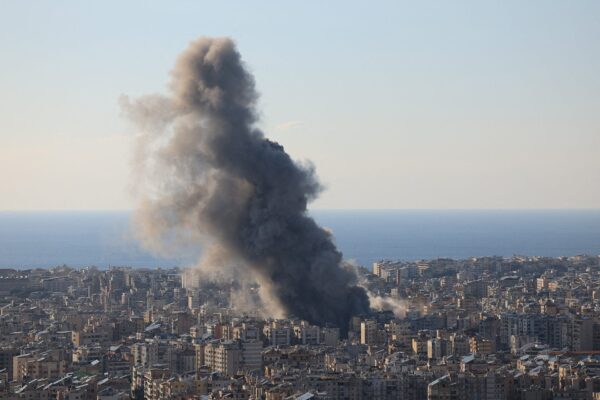
The potential consequences of conflict go beyond politics and security. The Middle East sits along some of the world’s most important energy transport routes, including the Strait of Hormuz, which carries a significant portion of global oil shipments. Any disruption there would quickly affect global markets and energy prices. At the same time, past conflicts in the region have shown that civilians often suffer the most through displacement, damaged infrastructure, and long-term economic hardship. These risks explain why many people continue to emphasize the need for Iran Peace In The Middle East.
What “Iran Peace In The Middle East” Really Means
For many people, the phrase Iran Peace In The Middle East is not simply a political slogan. It reflects a broader call to prevent escalation and prioritize diplomacy over military confrontation. In discussions about Middle Eastern politics, the phrase often appears when analysts warn that another regional war could create long-term instability. Supporters of the message argue that negotiations and international cooperation remain the most realistic path to reducing tensions.
The idea behind Iran Peace In The Middle East also highlights the importance of protecting civilian lives. Modern conflicts rarely stay confined to military targets. Cities, infrastructure, and ordinary communities often become the most vulnerable during prolonged conflicts. Because of this reality, many activists use the phrase Iran Peace In The Middle East to emphasize that the human cost of war should always be considered before political or military decisions are made.
Another reason the message resonates globally is the interconnected nature of today’s world. Conflicts in the Middle East often affect global markets, migration patterns, and international security policies. When tensions rise, governments and citizens in many countries begin discussing the need to prevent escalation. In that context, Iran Peace In The Middle East has become a concise way to express a wider desire for stability, diplomacy, and long-term regional security.
The Rise of the “No War With Iran” Movement
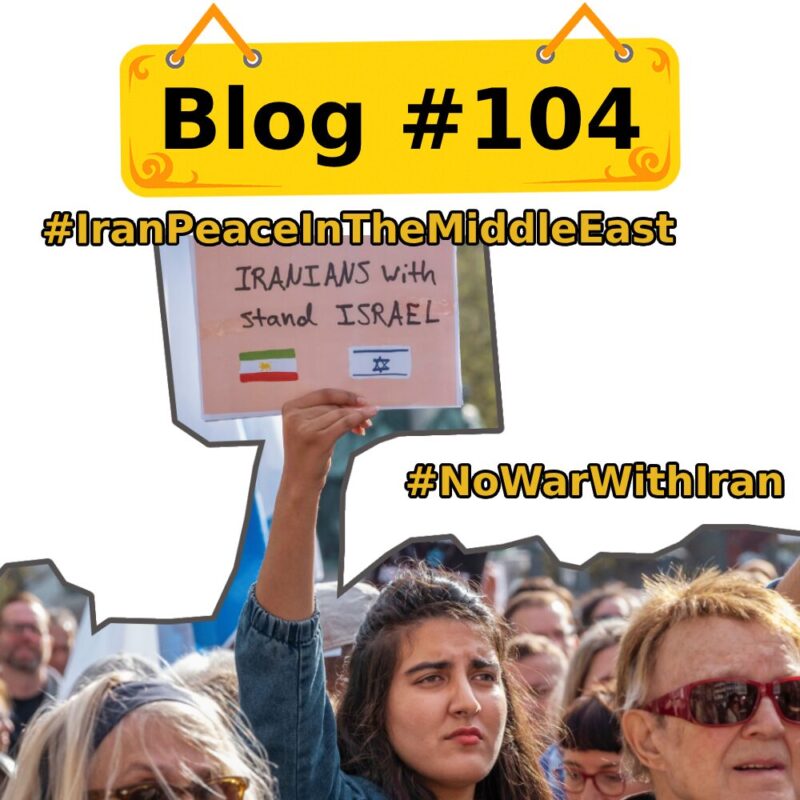
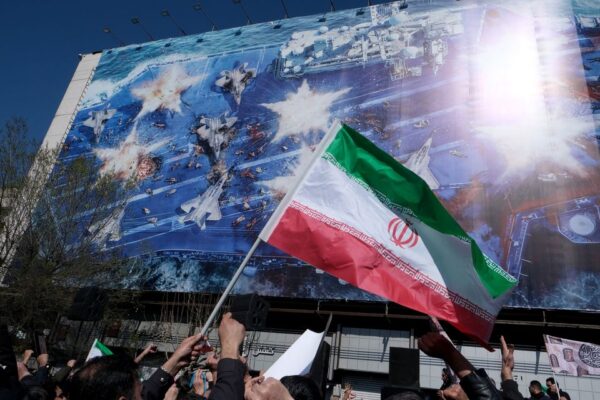
The slogan “No War With Iran” gained visibility during periods of escalating tensions between Iran, the United States, and Israel. Large demonstrations appeared in cities such as Washington, London, and New York after military incidents and sanctions targeting Iran. Anti-war coalitions, student groups, and community organizations organized rallies calling for diplomacy instead of military escalation. Protesters carried banners warning that another Middle Eastern war would destabilize the region further. In these protests, the message Iran Peace In The Middle East often appeared alongside broader anti-war slogans.
The movement has also spread quickly online. Activists use social media to organize demonstrations and share information about developments in the region. Hashtags related to anti-war activism often trend after major military events or political announcements. These campaigns allow activists and ordinary citizens to voice opposition to escalation even if they cannot attend protests in person. As a result, the call for Iran Peace In The Middle East now circulates widely across digital platforms and international discussions.
Peace Symbols and Anti-War Messages
Movements calling for Iran Peace In The Middle East often rely on clear visual symbols. The peace sign remains one of the most recognizable images associated with anti-war activism. Another common symbol is the white dove holding an olive branch, which traditionally represents peace and reconciliation. These symbols frequently appear on protest banners, posters, and online graphics. They help communicate the message of peace quickly across different cultures and languages.
Anti-war movements also rely on short and direct slogans. Phrases such as “No War With Iran,” “Stop the War,” and “Peace in the Middle East” are designed to be easily repeated and widely shared. Because the wording is simple, the message can spread quickly during demonstrations or on social media. These slogans often appear together with visual symbols to strengthen the message. In this context, Iran Peace In The Middle East functions as both a political statement and a broader call for regional stability.
Why People Wear Messages Supporting Iran Peace In The Middle East
Clothing has long been part of political expression. Protesters often wear shirts with short slogans to communicate their views without long speeches. During demonstrations related to Iran tensions, phrases such as “No War With Iran” and “Peace in the Middle East” appear frequently on signs and apparel. In recent protests, demonstrators carried banners reading “No bombs on Iran” and “Stop the war on Iran.” These messages help people show their stance clearly and start conversations about conflict and diplomacy. That is why statement apparel has become common in many peace movements, and many people choose designs like the Iran Peace In The Middle East Shirt to quietly share their views.
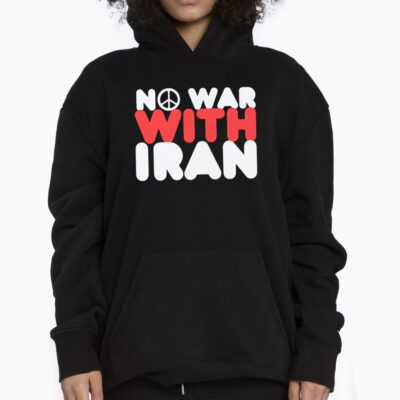
Wearing a message like Iran Peace In The Middle East allows people to show their stance in everyday life. A simple shirt can turn a personal belief into a visible statement while still fitting naturally into daily fashion. If you are interested in similar message-driven apparel, you can explore more options from TDVibes T-shirt collection.
Final Thoughts
The message Iran Peace In The Middle East reflects a growing global desire to prevent further conflict in the region. Many people choose to share this message not only through discussions and protests but also through symbolic expressions such as statement apparel. Designs like the No War With Iran – Peace In The Middle East shirt from TDVibes offer a simple way to express support for diplomacy and peace. By wearing it, supporters can help keep the call for Iran Peace In The Middle East visible in everyday conversations.
