

Product Spotlights
Earth Day 2026 – What People Do and How They Celebrate Today
Apr
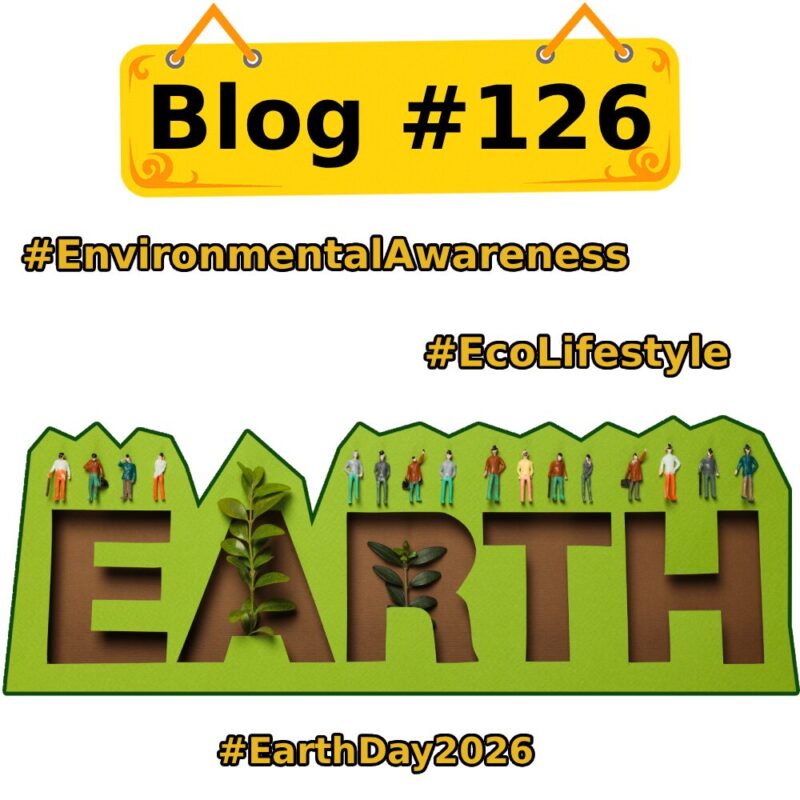
Earth Day 2026 is coming around again, but it doesn’t really feel like just one day anymore. You start to see it in small shifts first, from people talking more about sustainability to brands putting out designs with a clearer message. On platforms like TDVibes, that change shows up through simple, eco-inspired pieces that reflect how people think, not just what they wear. It feels less like a campaign and more like something that blends into everyday life.
For many people, Earth Day 2026 is less about marking a date and more about paying attention. It is not loud or fast like other events, but it stays in the background in a more consistent way. Some people treat it as a reminder, while others already build it into their daily habits. Either way, it connects to real choices, not just something you observe from the outside.
Why Earth Day Still Matters Today
Earth Day 2026 still matters because the problems it highlights have not gone away. Climate change, pollution, and resource waste continue to show up in everyday life, not just in headlines. People feel it through weather changes, rising costs, and shifts in how cities function. That makes the day less about awareness in theory and more about something people can actually see and experience.
At the same time, Earth Day 2026 is not only about large-scale issues. It brings the focus back to individual choices, even the small ones that are easy to overlook. Using less plastic, reducing waste, or changing how you consume products might seem minor on their own. But when those actions are repeated across millions of people, they start to build real impact.
Another reason the day stays relevant is that it connects people through a shared concern without requiring them to act in the same way. Some join community events, others shift their habits slowly over time. There is no single model to follow, which makes it easier for more people to take part without pressure. That openness is what keeps Earth Day 2026 from feeling distant or abstract, because it leaves room for different levels of involvement.
What People Actually Do on Earth Day
On Earth Day 2026, many people begin with actions that are easy to see and easy to join. Community clean-ups are one of the most common examples, especially in parks, beaches, school areas, and local neighborhoods. Some people help collect trash, while others join tree-planting events or small awareness activities near where they live. These actions are not complicated, but they make the message of Earth Day feel real. A cleaner street, a planted tree, or a shared morning with other volunteers can make environmental responsibility feel less distant. That is why public activities still matter, even when they look simple from the outside.
Other people take part in Earth Day 2026 in a much quieter way. They may not attend an event, but they still use the day to look at their own habits. Bringing a reusable bottle, avoiding single-use plastic, sorting waste, or buying less can all become part of that response. These choices do not create a big public moment, but they fit naturally into daily life.
The online side of Earth Day 2026 has also become hard to ignore. People share reminders, short tips, personal commitments, and posts about climate or sustainability across social media. Some of it is educational, while some of it is more emotional or visual. Brands, creators, schools, and community groups also use the day to keep environmental issues in front of a wider audience. That visibility helps the message travel beyond one city or one event. It does not replace real action, but it can push more people to notice what they might otherwise scroll past.
For many people, Earth Day is also a pause in the middle of normal routines. It gives them a reason to notice what they waste, what they consume, and what they could change without making life harder. That pause may not look impressive, but it often matters more than a one-day activity. Earth Day 2026 works best when it leaves people with something they carry into the next day.
How Earth Day Shows Up in Daily Life
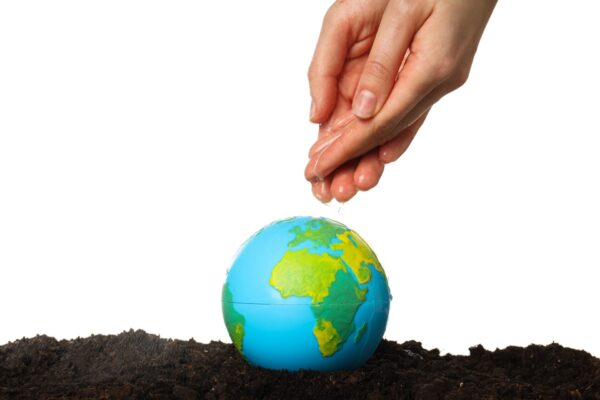
Earth Day 2026 does not only show up through public events or big environmental campaigns. For many people, it appears in the small decisions they repeat every day, often without turning them into a major statement. Choosing a reusable cup, carrying a tote bag, saving electricity, or avoiding unnecessary packaging can all become part of the same mindset. These choices may look ordinary, but that is what makes them sustainable. They fit into real life instead of asking people to change everything at once.
The idea also shows up in how people shop. More buyers now pay attention to what a product says about their values, not only how it looks or how much it costs. This does not mean every purchase has to be perfect, but it does mean people are thinking more carefully about waste, quality, and meaning. Earth Day 2026 connects with that shift because it reminds people that consumption is never completely separate from the environment.
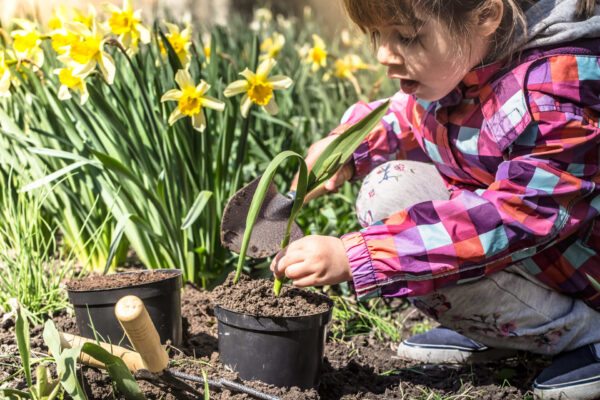
There is also a lifestyle side that feels more personal. Some people grow plants at home, spend more time outdoors, or try to build slower habits around how they live. Others use the day as a reason to talk with friends, children, or coworkers about small changes that are easier to keep. These moments are not always visible online, and they do not always look like activism. Still, they help turn Earth Day from a calendar event into something that feels part of everyday behavior.
That is why Earth Day 2026 matters beyond April 22. The real impact is not only in what people do on that single day, but in what they continue doing afterward. A reminder becomes useful when it changes what people notice. From there, even small habits can start to feel more intentional.
How People Dress on Earth Day
Earth Day 2026 is not mainly about fashion, but clothing still becomes part of how people express the day. What someone wears can quietly show what they care about without needing to explain it too much.
Simple Designs with a Clear Message
Earth Day outfits often work best when the design is easy to understand. People usually connect with simple earth icons, floral details, nature graphics, or short phrases that speak directly to the message. The point is not to create a loud outfit, but to make the meaning visible in a natural way. A clean design can say enough without trying too hard, which fits the tone of Earth Day 2026 well.
This is why simple graphic shirts are so common for the occasion. They are easy to wear in daily settings, whether someone is joining a local event, going to school, or just spending the day outside. The design gives the outfit a purpose, but it does not make it feel like a costume. That balance matters because Earth Day is more about awareness than performance.
Natural Colors and Minimal Style
Color also plays an important role in how people dress for Earth Day 2026. Green is the obvious choice, but soft blues, beige, white, brown, and floral tones also fit the mood. These colors feel connected to nature without being too heavy or dramatic. They create a calm look that matches the message of the day instead of pulling attention away from it. That is why many Earth Day outfits lean toward simple styling rather than bright party visuals.
Minimal style works well because it feels practical. A basic t-shirt, jeans, shorts, or a light jacket can be enough when the colors and design already carry the message. People do not need an outfit that looks overly planned. They just need something comfortable that feels aligned with the day.
Wearing What You Care About
For many people, what they wear on Earth Day 2026 is less about trend and more about values. A shirt with an earth graphic or a nature-inspired message can show that someone cares about the environment in a simple, visible way. It does not have to be a big statement to be meaningful. Sometimes the clearest message is the one that feels natural enough to wear in everyday life.
That is also why clothing can make the day feel more personal. People may choose a design because it reflects their habits, their beliefs, or the kind of world they want to support. It becomes part of how they join the conversation, even if they are not attending a march or an event. In that sense, Earth Day clothing is not just about style; it is another way people show connection.
Why Earth Day Shirts Are Popular
Earth Day 2026 shirts are popular because they make the message easy to wear. Not everyone wants to join a formal campaign or make a long statement online, but many people still want to show that they care. A shirt with a clear Earth graphic, floral detail, or short environmental message can do that in a simple way. It turns awareness into something visible without making the outfit feel too serious or forced.
A design like the Happy Earth Day with Cute Earth and Floral Shirt fits this moment well because it keeps the message soft, friendly, and easy to understand. The cute earth graphic makes the design feel approachable, while the floral details add a natural touch that connects directly with the theme of the day. It works for school events, local clean-ups, casual outings, or even simple Earth Day photos. That kind of design is useful because it does not feel limited to one setting.
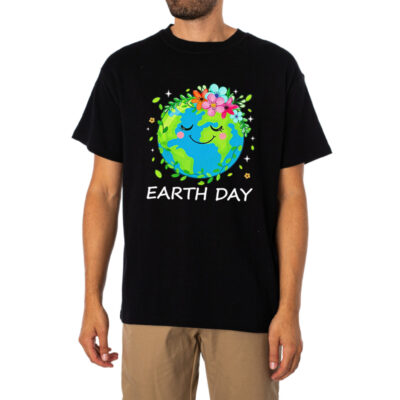
This is where a TDVibes t-shirt can fit naturally into Earth Day 2026. It gives people a simple way to join the moment while still wearing something comfortable and expressive. The design carries the message without needing to over-explain it, which makes it easier to wear beyond the event itself. For a day built around awareness, small action, and personal values, that kind of shirt feels like a natural choice.
Conclusion
Earth Day 2026 is more than a reminder on the calendar. It connects public action, daily habits, and personal values in a way that feels close to everyday life. People celebrate it through clean-ups, small choices, conversations, and even what they choose to wear. A simple shirt or design can become part of that message when it reflects care for the planet. In the end, Earth Day works best when it stays with people after April 22.
