

Product Spotlights
I Survived My Trip To NYC Meaning: Why This Viral Phrase Is Everywhere
Mar
“I Survived My Trip To NYC” works because it sounds dramatic, but it captures a feeling many travelers immediately recognize. New York is sold as exciting, iconic, and unforgettable, yet the actual experience can also feel loud, fast, crowded, and physically tiring. That contrast is exactly why the phrase lands so well. It turns a stressful trip into a joke people are proud to tell afterward.
The phrase also fits neatly into internet culture, where exaggeration makes ordinary experiences more shareable. On TDVibes, “I Survived My Trip To NYC” reflects how a simple phrase can move beyond a joke and become something people wear and relate to. It’s not read as a literal statement, but as a funny badge of honor—short, memorable, and directly tied to the real experience of visiting New York.
What Does “I Survived My Trip To NYC” Actually Mean?
“I Survived My Trip To NYC” does not mean someone was in real danger. It is a humorous way of saying that the city was intense, overwhelming, and full of moments that tested your patience, energy, and sense of direction. New York welcomes millions of visitors and runs on a scale that can feel enormous to first-time travelers, especially when they are moving through packed sidewalks, busy attractions, and one of the largest transit systems in North America. The phrase turns that pressure into something playful and memorable.
What makes the expression so effective is its mix of exhaustion and pride. People use it after dealing with long walking days, crowded trains, expensive meals, and the nonstop pace that New York is famous for. The city is not just a destination people quietly pass through; it is an experience that hits all at once. Saying “I Survived My Trip To NYC” lets travelers laugh at that intensity while also claiming they made it through the full New York experience.
The real strength of “I Survived My Trip To NYC” is that it feels personal and universal at the same time. Even people who have never used the exact phrase usually understand the idea right away, because New York already has a global reputation for speed, noise, crowds, and constant motion. That shared image makes the slogan easy to wear, post, or gift. It reads less like a travel quote and more like a compact story with attitude.
That is also why the phrase translates so naturally into fashion. A good statement shirt does not need a long explanation when the message already carries humor, identity, and a clear cultural reference. “I Survived My Trip To NYC” does all three in one line. It tells people you have seen the chaos, felt the rush, and came back with a sense of humor intact.

Why NYC Feels Like Something You Have to “Survive”
The Chaos of New York Streets
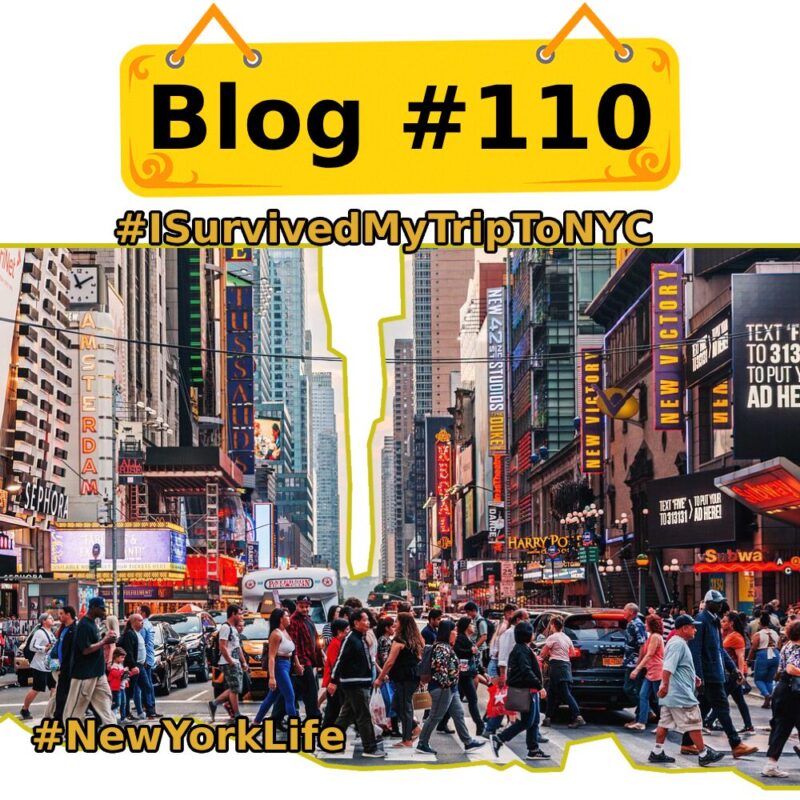
New York streets move fast, and they expect you to keep up. Sidewalks are packed, crossings are rushed, and people rarely slow down for anyone. Between taxis, delivery bikes, and constant honking, the city creates a level of noise and motion that can feel overwhelming within minutes. For many visitors, this is the moment when I Survived My Trip To NYC starts to feel very real.
It is not just the number of people, but the intensity of how they move. Everyone seems to know exactly where they are going, while tourists often pause, check maps, or take photos. That small hesitation can make you feel out of sync with the entire city. Over time, you either adapt to the rhythm or get swept up in it, and that adjustment is part of the experience people later laugh about.
The Subway Experience
The subway is where many first-time visitors feel completely lost. Multiple lines, different directions, express versus local trains, and constant schedule changes can make even a simple trip confusing. A wrong turn or boarding the wrong train can easily add thirty minutes or more to your journey. In those moments, I Survived My Trip To NYC starts to sound less like a joke and more like a goal.
Rush hour makes everything more intense. Trains are crowded, platforms are packed, and there is little room for hesitation. You have to move quickly, understand the system, and stay aware of your surroundings at all times. Once you figure it out, it becomes part of the adventure, but getting there is often stressful enough to leave a lasting impression.
The Cost of Everything
New York is known for being expensive, and visitors feel it almost immediately. Coffee, meals, transportation, and accommodation all add up faster than expected. Even small everyday purchases can feel surprisingly high, especially for travelers coming from more affordable cities. That constant awareness of spending adds another layer to the “survival” feeling.
It is not just the prices, but how often you have to make those spending decisions. Eating out is common, tipping is expected, and convenience usually comes at a cost. Over a few days, the financial pressure becomes part of the overall experience. When people say I Survived My Trip To NYC, they are often talking about their budget as much as the city itself.
The Non-Stop Energy
New York does not slow down, and that can be exhausting. There is always something happening, whether it is late-night crowds, bright lights, or constant movement in every direction. The city pushes you to keep going, see more, and do more, even when you are already tired. That relentless pace is exciting, but it can also wear you out quickly.
Unlike a relaxing vacation, New York feels like a full-on experience from start to finish. There is no clear pause, no quiet moment unless you actively search for it. For many visitors, the trip becomes a mix of excitement and fatigue, all happening at once. That is exactly why I Survived My Trip To NYC resonates so strongly after the trip is over.
From Travel Joke to Viral Internet Phrase
“I survived…” is one of those internet phrases that people instinctively understand without thinking too much about it. It shows up everywhere, from school stress to bad flights, and it always carries the same tone — slightly dramatic, slightly sarcastic, but still grounded in reality. When you apply it to travel, especially a place like New York, it just clicks immediately. I Survived My Trip To NYC feels like something people would say out loud after a long, exhausting day in the city.
What makes it stick is how effortlessly it replaces a full story. Instead of explaining the crowds, the noise, or the confusion, the phrase wraps everything into one line. You read it and already know the vibe. That kind of shorthand is exactly what works online, where people want something quick, relatable, and easy to repost.
On TikTok and Instagram, captions are almost as important as the content. Travelers don’t want to write a lot, so they lean on phrases that say it all in seconds. I Survived My Trip To NYC hits that spot—honest, playful, not trying too hard. Once a phrase strikes that balance, people just start using it without even thinking. It shows up in captions, short videos, even comments. Eventually it stops being just a caption and becomes a shared language. That’s when a joke turns into a trend.

Why “I Survived My Trip To NYC” Resonates With So Many People
New York has a reputation, and most of it is true. It’s loud, fast, crowded, and constantly moving, especially for someone visiting for the first time. Even when you’re enjoying it, there’s still this underlying sense that the city is a lot to handle. That’s why I Survived My Trip To NYC doesn’t feel exaggerated. It feels accurate in a slightly dramatic way.
You don’t need to explain much when you use it either. Anyone who has been there already understands, and even people who haven’t can imagine it. The phrase works because it taps into an image of NYC that already exists in people’s heads.
Trips to New York are rarely smooth from start to finish. There’s always something — getting lost in the subway, spending more than expected, feeling drained halfway through the day. But those moments are exactly what people talk about afterward. Saying I Survived My Trip To NYC reframes all of that into something lighter.
It also adds a bit of pride to the whole experience. You didn’t just visit the city, you went through it and came out with stories. That’s why the phrase sticks. It’s not just describing what happened, it’s capturing how it felt in a way that people actually want to share again later.
The Rise of NYC-Themed Humor in Fashion
New York has always been more than just a city — it’s a cultural symbol that people instantly recognize. From the classic “I ❤️ NY” logo to modern streetwear slogans, NYC has long inspired fashion that feels personal and expressive. Recently, humor has become a bigger part of that space, especially with phrases that reflect real experiences instead of polished postcard images. That shift is exactly why something like I Tom Holland I Survived My Trip To NYC Shirt fits so naturally into today’s apparel trends.
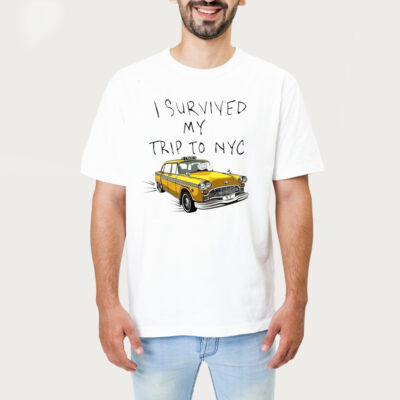
What makes this kind of design work is how easily it connects with people. A shirt doesn’t need to be complicated if the message already says enough. I Survived My Trip To NYC feels casual, honest, and a little self-aware, which is exactly the tone many people look for in everyday wear. Brands like TDVibes T-shirts tap into that by turning relatable moments into clean, wearable statements that still carry personality.
There is also a growing demand for clothing that tells a story without trying too hard. Instead of generic graphics, people are drawn to pieces that reflect where they’ve been or what they’ve experienced. A design like I Survived My Trip To NYC does that in a simple way. It works whether you’ve actually visited the city or just connect with its chaotic energy, which is why it continues to show up more often in modern streetwear collections.
Final Thoughts
In the end, I Survived My Trip To NYC works because it captures something real in a way that feels light and shareable. New York is exciting, exhausting, and unforgettable all at once, and this phrase wraps that entire experience into a single line. It’s easy to say, easy to relate to, and even easier to wear. Whether you’ve actually been to the city or just love its energy from afar, it’s the kind of message that stays with you long after the trip is over.
