

Uncategorized
International Day of Zero Waste 2026: Join the Movement for a Cleaner Planet
Mar
Waste has become one of those global problems people encounter every day without always noticing it. It appears in takeaway packaging, discarded clothing, uneaten food, and countless items designed to be used briefly and thrown away. That is what makes International Day Of Zero Waste 2026 especially relevant. Observed on March 30, it invites people to pause and examine the ordinary habits that quietly produce extraordinary amounts of waste.
At the same time, the growing interest in zero waste reflects more than environmental concern alone. It also points to a cultural shift in how people think about value, responsibility, and lifestyle. At TDVibes, we often pay attention to these broader changes because they shape the way communities respond to social issues. International Day Of Zero Waste 2026 is part of that wider conversation, offering a timely reminder that cleaner living begins not with grand gestures, but with more conscious everyday decisions.
What Is International Day of Zero Waste?
International Day Of Zero Waste 2026 is a United Nations observance that draws attention to the scale and consequences of global waste generation. Celebrated each year on March 30, it encourages a move away from the idea that waste management begins only after something has been thrown out. Instead, it highlights the importance of prevention, asking how products are made, how long they are used, and whether current systems are designed for sustainability at all.
This observance emerged from a growing recognition that waste is deeply connected to the way modern economies operate. It is not simply about litter or disposal, but about production models, consumer behavior, and the long-term pressure placed on natural resources. After the United Nations General Assembly adopted the day in 2022 and the first observance followed in 2023, the occasion quickly became a platform for broader public discussion. Governments, schools, community groups, and environmental organizations have used it to promote education, awareness, and more sustainable habits.
One reason International Day of Zero Waste 2026 continues to gain attention is that the issue feels immediate and personal. People do not need to look far to see how waste is woven into daily life. Disposable goods, excessive packaging, and short use cycles have become normal in many places. By centering these familiar patterns, the day pushes the conversation beyond awareness and toward practical change, encouraging individuals and institutions alike to rethink what responsible consumption should look like.
The Growing Global Waste Problem
The world is producing more waste than ever before, and the pace is still increasing as cities expand, populations grow, and consumption becomes more convenience-driven. Items designed for short-term use now make up a large share of what ends up in bins every day, especially plastic packaging, disposable containers, and low-durability consumer goods. This pattern has turned waste into a global issue that affects both highly developed economies and rapidly urbanizing regions.
What makes the problem more serious is that waste does not disappear once it is thrown away. Landfills require space, incineration creates its own environmental concerns, and poorly managed waste often leaks into rivers, coastlines, and natural habitats. Food waste adds another layer to the crisis because it reflects not only disposal problems but also wasted water, energy, labor, and agricultural resources throughout the production chain.
This is why International Day Of Zero Waste 2026 matters in a practical sense rather than only a symbolic one. The day draws attention to the fact that the waste crisis begins long before disposal, with the way products are made, marketed, and consumed. Reducing global waste therefore requires more than better cleanup efforts. It calls for a broader change in behavior, systems, and expectations around everyday consumption.
Understanding the Zero-Waste Movement
The zero-waste movement is built on the idea that waste should be prevented as much as possible instead of treated as an unavoidable result of modern life. Rather than focusing only on what happens after something is discarded, the movement asks people to reconsider the full life cycle of products, from purchase to use to disposal. In that sense, it is both a practical lifestyle approach and a wider critique of throwaway culture. Many advocates explain this mindset through the 5R framework, which offers a simple way to understand zero waste in daily life:
- Refuse what is unnecessary, especially single-use items that create waste immediately
- Reduce what you consume, so fewer materials enter the waste stream in the first place
- Reuse what still has value instead of replacing it too quickly
- Recycle what cannot be reused, while recognizing that recycling alone is not enough
- Rot organic waste through composting so it can return to the natural cycle
Together, these principles show why International Day of Zero Waste 2026 is closely tied to the zero waste movement. The goal is not perfection, and it is not limited to fitting all waste into a jar or following a rigid lifestyle image. At its core, the movement encourages more thoughtful choices and a stronger awareness of how daily habits shape the larger environmental picture.
Why Zero Waste Has Become a Global Lifestyle Trend
In recent years, the ideas behind International Day of Zero Waste 2026 have started to influence everyday lifestyles. Many people are becoming more aware of how their choices affect the environment. Small actions like carrying reusable bags or avoiding disposable products are becoming more common. These habits often begin with curiosity but slowly turn into long-term lifestyle changes. As awareness spreads, the message of International Day of Zero Waste 2026 feels more relevant than ever.
Social media has also played a role in spreading the zero-waste mindset connected to International Day of Zero Waste 2026. Influencers, sustainability creators, and environmental groups share practical tips for reducing waste. Minimalist living, eco-friendly products, and sustainable fashion are often part of this conversation. What once felt like a niche environmental topic is now entering mainstream culture. For many people, following the ideas promoted during International Day of Zero Waste 2026 has become part of how they express their values.
Everyday Habits That Help Reduce Waste
Choose Reusables Over Disposable Items
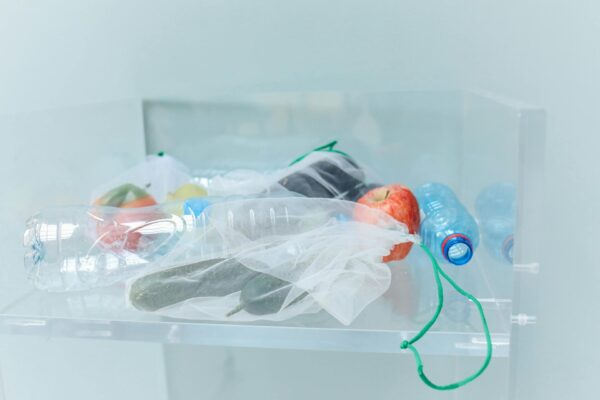
One of the easiest ways to reduce waste is to replace single-use products with items that can be used again and again. A reusable water bottle, coffee cup, shopping bag, or food container may seem like a small switch, but these choices quickly add up over time. Many of the most common household waste items come from convenience-based habits that are repeated every day without much thought.
Making this change does not require a perfect zero-waste lifestyle. It simply means noticing where disposable products appear most often in daily routines and finding practical alternatives that fit real life. In the context of International Day Of Zero Waste 2026, this habit matters because it shows how waste reduction can begin with ordinary decisions rather than major lifestyle changes.
Buy More Carefully and Waste Less
Reducing waste also starts before a product even enters the home. Impulse purchases, overbuying, and excessive packaging all contribute to a larger waste stream, even when the items themselves seem harmless. Shopping more carefully means paying closer attention to quantity, durability, and whether something is genuinely needed in the first place.
This habit is especially important because waste is often created at the point of consumption, not only at the point of disposal. Buying fewer but more useful items can help reduce clutter, save money, and limit unnecessary waste at the same time. That is one reason International Day Of Zero Waste 2026 encourages people to rethink consumption habits from the beginning rather than focusing only on what gets thrown away later.
Make Better Use of Food at Home
Food waste is one of the most common and overlooked forms of waste in everyday life. People often throw away ingredients that were forgotten, cooked in excess, or stored poorly. In many households, small amounts of wasted food happen so often that they start to feel normal, even though the impact becomes significant over time.
A more mindful approach to meals can make a real difference. Planning portions, using leftovers creatively, and checking what is already in the kitchen before shopping are simple habits that reduce waste without making daily life more complicated. This connects closely to the message of International Day Of Zero Waste 2026, which highlights that sustainable living is often built through awareness and consistency rather than dramatic change.
Repair, Reuse, and Extend Product Life
Many items are discarded not because they are unusable, but because replacing them feels easier than repairing or repurposing them. Clothing with minor damage, household goods with small defects, or electronics that still function can often remain useful with a little extra effort. Throwing them away too quickly reflects a culture that values replacement over longevity.
Choosing to repair or keep using something for longer helps slow down that cycle. It also encourages a different way of thinking about ownership, where value is measured not just by novelty but by long term use. In discussions around International Day Of Zero Waste 2026, this habit stands out because it challenges one of the core drivers of modern waste: the expectation that everything should be easy to discard and replace.

Sort Waste More Thoughtfully
Even when waste cannot be avoided completely, handling it more carefully still matters. Many recyclable materials end up contaminated or mixed with general trash simply because people are unsure how to sort them. As a result, items that could have been recovered are often lost in the waste system instead.
Learning the basics of local recycling and waste separation can make everyday disposal more responsible. This does not solve the entire problem, but it supports better waste management while reinforcing more conscious habits at home. In that sense, International Day Of Zero Waste 2026 is not only about producing less waste, but also about paying more attention to what happens after something is no longer needed.
Spreading the Zero-Waste Message Through Design and Everyday Products
Conversations about sustainability do not only happen through policies, campaigns, or environmental events. They also take shape through the things people wear, carry, and bring into everyday spaces. Design can play a role in making ideas more visible, especially when it turns abstract concerns into something people can recognize and talk about in daily life. In that sense, messaging around waste reduction becomes more powerful when it is woven into ordinary products rather than kept separate from them.
That is where thoughtful apparel and design-driven products can make a difference. A well-designed graphic tee can do more than complete an outfit. It can express values, spark curiosity, and make social messages feel more accessible. For people who want to reflect ideas tied to International Day Of Zero Waste 2026 in a creative and wearable way, TDVibes T-shirts offer a way to connect style with meaning. Instead of treating sustainability as a distant concept, these pieces help bring the conversation into everyday life through designs that feel current, expressive, and easy to wear.
Conclusion
International Day Of Zero Waste 2026 is a reminder that the waste crisis is shaped by everyday choices as much as by large systems. From the products people buy to the habits they repeat at home, small actions can help shift the culture around consumption in a more responsible direction. As awareness grows, the message of zero waste becomes not only an environmental goal but also a lifestyle mindset, and even simple things like what people choose to wear, including statement pieces like TDVibes T-shirts, can help carry that message further.
