

Last News
Juneteenth National Independence Day 2026: Why This Year’s Holiday Feels More Important Than Ever
May
Every June, Juneteenth National Independence Day 2026 starts trending across TikTok, Instagram, schools, and workplaces in the U.S. But in recent years, the holiday has become much bigger than a history lesson. It is now part of larger conversations around culture, identity, community, and representation online.
In 2026, that conversation feels even louder. Community festivals are getting bigger, brands are posting Juneteenth campaigns again, and younger audiences continue learning about the holiday through social media instead of textbooks. At the same time, creators and brands like TDVibes are also reflecting how culture, fashion, and internet conversations continue shaping the way younger generations express themselves today.
The Story Behind Juneteenth and Why June 19 Still Matters
The history behind Juneteenth National Independence Day 2026 begins on June 19, 1865, in Galveston, Texas. That was the day Union General Gordon Granger arrived and announced that enslaved African Americans were officially free. What made the moment especially significant was the timing. The Emancipation Proclamation had already been issued more than two years earlier, yet many enslaved people in Texas had still not been informed of their freedom.
Because of that delay, Juneteenth has always carried a deeper emotional meaning than many other historical holidays. For many Black Americans, the day represents both freedom and the painful reality that freedom arrived late for thousands of people. That idea of “delayed justice” is one reason Juneteenth still resonates so strongly today, especially during conversations around equality and representation in modern America.
Over time, communities continued honoring June 19 through local gatherings, church events, music, food, and storytelling traditions. Long before it became nationally recognized, Juneteenth was already deeply important within Black communities across the United States. Families treated the holiday as both a celebration and a moment of remembrance, passing its history down through generations.
The visibility of Juneteenth National Independence Day 2026 feels very different now compared to even a decade ago. Since becoming a federal holiday in 2021, Juneteenth has entered mainstream conversations across schools, workplaces, social media, and popular culture. More Americans are now learning the history behind June 19 for the first time, especially younger audiences discovering it online through creators, documentaries, and educational content.
Why Juneteenth National Independence Day 2026 Is Expected to Trend Even More Online
Every year, discussions around Juneteenth National Independence Day 2026 grow larger across TikTok, Instagram, YouTube, and X. But unlike many holidays that mainly trend through entertainment content, Juneteenth often spreads through a mix of education, activism, personal stories, and cultural conversations. Short-form videos explaining the history behind Juneteenth regularly gain millions of views during June, especially among younger audiences.
Social media has completely changed how people learn about the holiday. Instead of discovering Juneteenth only through school textbooks, many Gen Z users first encounter it through creators discussing Black history, identity, and representation online. That shift has helped make the holiday far more visible globally, even outside the United States.
Another reason Juneteenth National Independence Day 2026 will likely receive major online attention is that conversations around DEI, representation, and performative activism remain highly debated in America. Every year, brands and corporations post Juneteenth campaigns online, but audiences increasingly question whether those messages are genuine or simply marketing. That discussion itself has become part of the annual Juneteenth conversation on social media.
The timing also matters. Since June 19 falls on a Friday in 2026, many cities are expected to hold larger festivals, concerts, local markets, and community events throughout the weekend. As photos, videos, and livestreams from those celebrations spread online, visibility around Juneteenth National Independence Day 2026 will likely become even bigger than in previous years.
The Debate Around Brands and Performative Activism During Juneteenth
Every year, major companies post statements supporting Juneteenth National Independence Day 2026 across social media. Some brands launch special campaigns, spotlight Black creators, or promote diversity-focused initiatives during June. But online audiences have also become much more critical of how corporations participate in Juneteenth conversations. Many people now question whether certain campaigns reflect genuine support or simply another marketing opportunity tied to a trending cultural moment.
That criticism has grown even stronger in recent years as several companies quietly scaled back DEI programs and diversity messaging. Because of that shift, social media users often compare what brands post during Juneteenth with how those same companies act throughout the rest of the year. TikTok and X regularly fill with debates about “performative activism,” especially when audiences feel a company is trying to appear socially aware without making meaningful changes internally.
At the same time, many smaller businesses and community organizations approach Juneteenth differently. Instead of focusing only on branding, local groups often organize educational events, support Black-owned businesses, or invest directly into community programs connected to the holiday. That contrast is a huge reason why conversations around authenticity continue returning every June. The discussion surrounding Juneteenth National Independence Day 2026 now goes far beyond history alone. It has also become a larger conversation about representation, corporate responsibility, visibility, and how brands interact with social issues online.
How Communities Celebrate Juneteenth Today
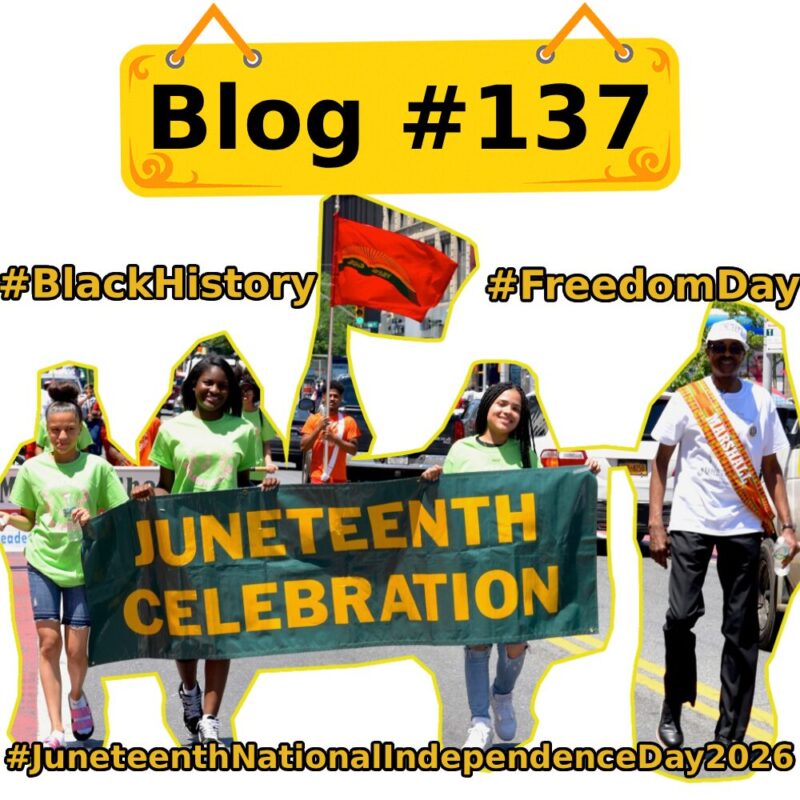
Modern Juneteenth celebrations look different across the United States, but community remains at the center of almost every event. Many cities organize parades, music festivals, outdoor concerts, and cultural fairs throughout June. In other places, the holiday feels more personal, with church gatherings, neighborhood cookouts, and family events bringing local communities together. That balance between celebration and remembrance is part of what gives Juneteenth its emotional importance.
Food also plays a major role during Juneteenth celebrations. Traditional cookouts remain extremely common, especially in local parks and community spaces during the holiday weekend. Red foods and drinks are especially symbolic during many events, with the color often representing resilience, sacrifice, and strength within African American culture. Watermelon, red velvet cake, barbecue, hibiscus drinks, and strawberry soda frequently appear during celebrations across different regions.
Educational events have also become much more visible in recent years. Museums, schools, libraries, and cultural centers now host exhibits, public discussions, and historical storytelling events connected to Black history and emancipation. At many Juneteenth festivals, local Black-owned businesses, artists, and vendors are also given space to promote their work and connect directly with communities. As Juneteenth National Independence Day 2026 continues growing in visibility, the holiday increasingly feels like both a cultural celebration and a space for reflection.
Why Juneteenth Matters to Younger Generations
For many younger Americans, Juneteenth National Independence Day 2026 feels very connected to modern conversations around identity, representation, and cultural awareness. Unlike older generations who may have first learned about Juneteenth through local traditions or community events, many Gen Z audiences discovered the holiday online. TikTok, YouTube, podcasts, and Instagram creators have played a huge role in making Juneteenth more visible and easier to understand for younger audiences.
That shift changed how the holiday is discussed publicly. Instead of feeling limited to history classrooms, Juneteenth is now part of wider conversations around storytelling, activism, media representation, and internet culture. Younger creators often use the holiday to talk about personal experiences, cultural identity, and social issues in ways that feel more accessible online. As a result, many people emotionally connect with the meaning behind Juneteenth even if they were never deeply exposed to its history growing up.
Art, music, and fashion have also become important parts of how younger generations engage with Juneteenth today. Social media creators regularly combine educational content with visual storytelling, festival culture, music references, and community-focused content throughout June. That mix of education and creativity is one reason the holiday continues spreading far beyond traditional academic discussions.
Juneteenth Fashion and Cultural Expression
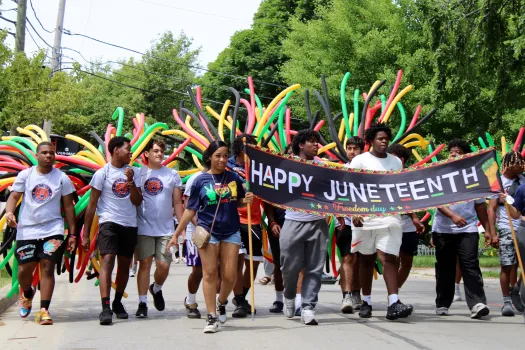
Fashion has become one of the most visible forms of cultural expression during Juneteenth celebrations in recent years. At festivals, community gatherings, marches, and local events, many people wear statement apparel connected to empowerment, Black history, and cultural pride. Graphic tees, streetwear-inspired designs, and community-focused fashion have become especially popular among younger audiences during June celebrations.
Social media helped push that trend even further. Every year, creators post Juneteenth outfit inspiration, festival looks, and Black-owned fashion recommendations across TikTok and Instagram. Some apparel focuses on historical symbolism and activism, while other designs lean into art, music, identity, and modern streetwear aesthetics. The visual side of Juneteenth culture has become increasingly influential online, especially among Gen Z audiences.
That connection between culture and self-expression is also why brands like TDVibes t-shirts continue creating apparel inspired by identity, internet culture, and major social conversations. Rather than feeling like traditional holiday merchandise, many modern designs focus more on personal expression and community connection during cultural events like Juneteenth National Independence Day 2026.
Conclusion
More than 150 years after June 19, 1865, Juneteenth National Independence Day 2026 continues evolving into something much larger than a historical observance. The holiday now sits at the intersection of history, internet culture, activism, community, and celebration. From educational discussions online to music festivals, local gatherings, fashion, and cultural expression, Juneteenth continues reaching new generations in different ways every year. As those conversations keep growing across social media and everyday life, Juneteenth remains both a reminder of the past and a reflection of the ongoing conversations shaping
