

Product Spotlights
Why Jason Collins A LGBT Representation in the NBA Still Inspires Millions Today
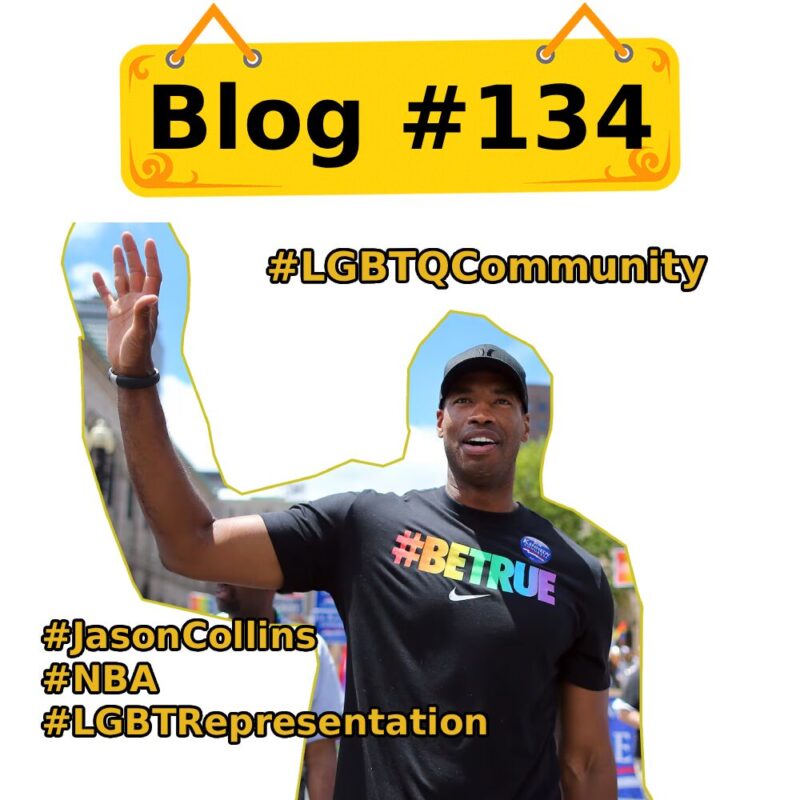
May
For many basketball fans today, Jason Collins A LGBT representation in the NBA represents far more than a historic sports headline. His story became one of the most recognizable moments connected to LGBTQ visibility in professional basketball. More than a decade later, people still revisit his impact on sports culture, identity, and inclusion. That emotional connection never fully disappeared.
Now in 2026, conversations surrounding Jason Collins are trending again as fans reflect on the legacy he left behind both on and off the court. At TDVibes, we often explore stories connected to Pride, representation, and LGBTQ culture because these moments continue shaping communities around the world. The story behind Jason Collins A LGBT representation in the NBA naturally belongs in that conversation. His journey became about honesty, visibility, and the courage to live openly inside a space that once rarely allowed it.
Who Was Jason Collins?
When discussing Jason Collins A LGBT representation in the NBA, many people immediately think about the historic announcement that changed basketball culture in 2013. But before becoming a symbol of LGBTQ visibility in sports, Jason Collins had already spent years building a respected NBA career. He played thirteen seasons in the league and became known as a dependable veteran center with strong defensive skills and leadership qualities. Throughout his career, he suited up for teams including the New Jersey Nets, Boston Celtics, Memphis Grizzlies, Atlanta Hawks, and Washington Wizards. Around the league, teammates often respected him for his professionalism and consistency.
Everything changed publicly when Collins came out as gay through a personal essay published in Sports Illustrated in 2013. At the time, no active male player in the NBA — or in any major American men’s professional sports league — had publicly come out before. The news immediately spread across sports media, mainstream news outlets, and online communities around the world. Suddenly, Jason Collins A LGBT representation in the NBA became part of a much larger cultural conversation surrounding visibility and inclusion in professional sports. Fans everywhere started paying attention to what this moment represented.
What made the announcement feel so impactful was the culture surrounding men’s sports during that period. Professional basketball had long been associated with toughness, masculinity, and silence around personal identity. Many athletes were believed to avoid discussing sexuality publicly because of fears surrounding public reaction, media pressure, or locker room dynamics. Jason Collins challenged those expectations directly when he decided to speak openly about who he was. For many fans, that honesty became even more meaningful than basketball statistics or career achievements.
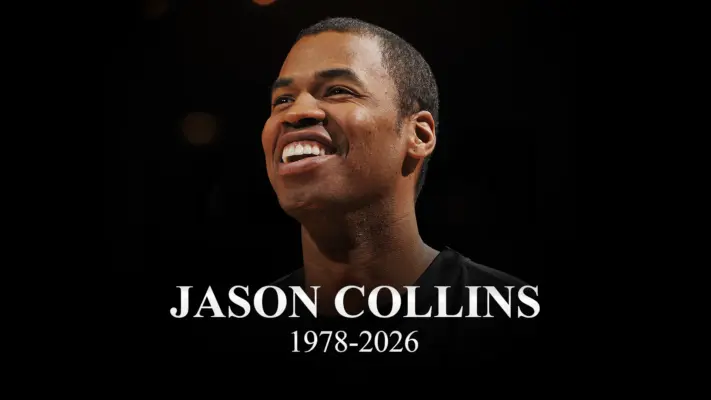
For LGBTQ basketball fans especially, the story behind Jason Collins A LGBT representation in the NBA felt deeply personal. Many people had grown up loving sports while rarely seeing openly queer representation inside major men’s leagues. Jason Collins suddenly changed part of that reality in a very public way. His visibility helped some fans feel more connected to basketball culture than they had before. That emotional connection remains a huge reason why his legacy still matters today.
Why His Coming Out Became a Historic NBA Moment
When discussing Jason Collins A LGBT representation in the NBA, many people immediately think about the cultural impact his announcement created back in 2013. At the time, openly gay male athletes were still extremely rare across major American professional sports leagues. Basketball culture especially carried a strong image around masculinity, toughness, and silence surrounding personal identity. Because of that environment, Collins’ announcement instantly felt bigger than sports itself. People understood how much pressure surrounded a decision like that.
The public reaction spread quickly across sports media, news outlets, and social media platforms around the world. Fans, journalists, celebrities, and NBA players all responded within hours after the story was released. Many people originally expected backlash or tension inside the league. Instead, Jason Collins received support from teammates, coaches, public figures, and even former President Barack Obama. That response surprised many fans and showed that sports culture was already beginning to evolve.
What made Jason Collins A LGBT representation in the NBA feel so important was not only the headline itself, but what it represented for younger athletes watching from the outside. For years, many LGBTQ players believed honesty about their identity could seriously damage their career or public image. Collins openly challenged that fear by choosing visibility during a time when very few athletes felt comfortable doing the same. That level of openness carried enormous emotional weight for many fans and athletes alike.
The NBA did not completely transform overnight after Jason Collins came out publicly, but the atmosphere around inclusion slowly began shifting afterward. Conversations surrounding identity, mental health, and representation became more visible across sports culture in the years that followed. Other athletes from different leagues later spoke more openly about their own experiences as well. In many ways, Jason Collins A LGBT representation in the NBA became part of a larger turning point for professional sports culture overall.
Why People Still Talk About Jason Collins Today
When people search for Jason Collins, A LGBT representation in the NBA, they are usually looking for more than just basketball history. His story became one of the most recognizable moments connected to LGBTQ visibility in professional sports. Even years later, fans still revisit his announcement, interviews, and public impact online. In 2026, conversations around his legacy surged again as people reflected on how much basketball culture has changed since 2013. That emotional connection never fully disappeared.
Part of the reason Jason Collins, A LGBT representation in the NBA still resonates today is because his announcement happened during a very different era of sports culture. Back then, openly gay male athletes were still extremely rare across major American leagues. Many players avoided conversations around identity completely because of fear surrounding public reactions and locker room culture. Collins stepped into that pressure publicly anyway. For many people, that level of honesty still feels powerful today.
Another reason people continue discussing Jason Collins, A LGBT representation in the NBA is because visibility in sports still matters to younger generations. LGBTQ fans often grow up loving basketball while rarely seeing themselves represented inside men’s professional leagues. Jason Collins changed part of that experience by simply existing openly within the NBA itself. His story helped basketball feel more welcoming to many fans who once felt disconnected from the culture surrounding the sport. That impact continues far beyond a single headline.
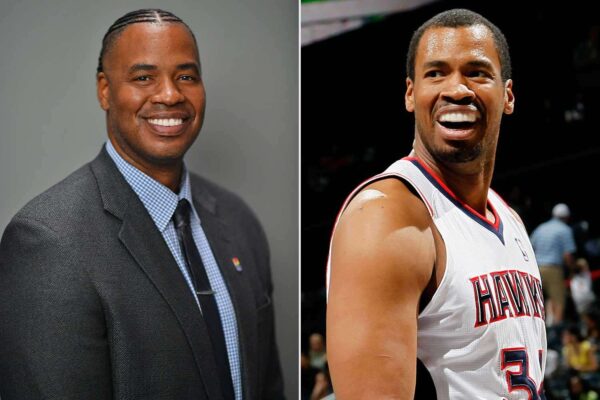
What also made Jason Collins, A LGBT representation in the NBA memorable was how genuine everything felt. Collins never came across like someone chasing attention or controversy. He stayed calm, professional, and authentic throughout the public reaction surrounding his announcement. That quiet confidence made his influence feel real rather than performative. Even now, many fans still connect emotionally with the example he set inside professional sports.
The Meaning Behind His Legacy
For many fans today, Jason Collins, A LGBT representation in the NBA represents more than one historic sports moment. His legacy became connected to honesty, visibility, and the gradual evolution of inclusion inside basketball culture. Even years later, people still discuss what his story meant for athletes, fans, and LGBTQ communities around the world.
Breaking the Silence Around Identity
One of the biggest reasons Jason Collins, A LGBT representation in the NBA became so important was because of the culture surrounding men’s sports at the time. For years, professional basketball carried an unspoken expectation that athletes should avoid discussing sexuality publicly. Many players were believed to stay silent out of fear of criticism or career consequences. Jason Collins challenged that environment directly when he chose to come out publicly in 2013. His decision helped push difficult conversations into the open.
Making Representation Feel Real
When discussing Jason Collins, A LGBT representation in the NBA, many people focus on the emotional importance of visibility. Representation is not just about headlines or media attention. It helps people feel seen inside communities where they once felt invisible or disconnected. Younger LGBTQ basketball fans suddenly had someone openly representing them in one of the world’s biggest sports leagues. That emotional connection became part of his lasting impact.
Changing Basketball Culture Over Time
The NBA did not suddenly transform overnight after Collins came out publicly, but the atmosphere slowly began evolving afterward. Conversations around inclusion became more visible across sports media, fan communities, and player discussions in the years that followed. Other athletes later spoke more openly about identity, mental health, and authenticity as well. Jason Collins helped move that cultural shift forward during a period when openness was still relatively uncommon. That influence remains part of his legacy today.
A Legacy Bigger Than Basketball Statistics
Most former athletes are remembered mainly for championships, records, or career highlights. With Jason Collins, A LGBT representation in the NBA, people often remember the cultural impact first. Fans still talk about the courage behind his decision and the doors it opened for future athletes. His story became tied to visibility, authenticity, and social progress more than numbers on a scoreboard. That is why his legacy continues reaching far beyond basketball itself.
Honor the Legacy Through Pride Apparel
For many people, fashion has become another way to express identity, community, and support for LGBTQ visibility. That is part of why stories like Jason Collins, A LGBT representation in the NBA, continue appearing not only in sports conversations, but also in art, design, and Pride culture itself. Memorial apparel and Pride-inspired clothing often carry emotional meaning beyond style alone. They help keep important stories visible long after headlines fade. In many ways, they become small reminders of the people who helped change culture.
At TDVibes, many of our Pride collections are inspired by LGBTQ history, symbolism, and cultural moments connected to visibility and inclusion. The story behind Jason Collins, A LGBT representation in the NBA naturally fits into that mission. His impact reached far beyond basketball courts and became part of a much larger conversation around authenticity and representation in sports. That legacy inspired the creation of the Jason Collins Pride Legacy Memorial Shirt as a tribute to courage, visibility, and self-expression. The design reflects both basketball culture and Pride identity in a way that feels meaningful rather than overly commercial.
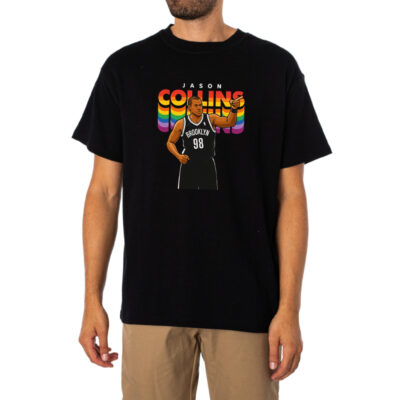
For fans who connected with his story, wearing Pride apparel inspired by Jason Collins A LGBT representation in the NBA can feel deeply personal. It is not only about remembering a former NBA player or supporting a social movement. For many people, it is also about celebrating visibility, authenticity, and the progress LGBTQ communities have made within sports culture over the years. TDVibes t-shirt collections are designed around those kinds of meaningful stories and cultural moments. Sometimes, even a simple design can help keep an important message visible long after the headlines fade.
Conclusion
The story behind Jason Collins, A LGBT representation in the NBA, continues resonating because it represented a genuine cultural shift inside professional sports. Jason Collins helped open conversations around identity, visibility, and inclusion during a time when very few athletes felt comfortable doing so publicly. His decision challenged long-standing expectations inside basketball culture and inspired countless fans around the world. More than a decade later, people still connect emotionally with what his story represented.
While basketball statistics and championships often fade over time, cultural impact tends to last much longer. That is a huge reason why Jason Collins, A LGBT representation in the NBA still holds meaning today for so many people. His legacy became about honesty, courage, and helping others feel seen inside spaces where they once felt invisible. And even years later, that message continues reaching far beyond the game itself.
