

Last News
Title: Alabama Jefferson Davis Birthday: Why The State Holiday Still Sparks Debate In 2026
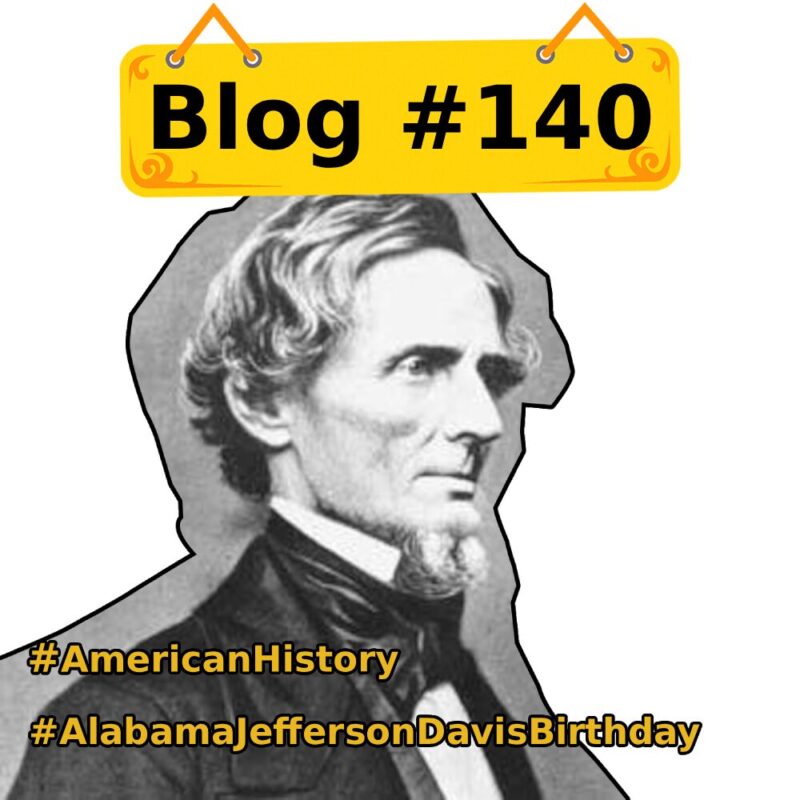
May
Every June, a surprising topic begins trending online again: Alabama Jefferson Davis Birthday. While many Americans are unfamiliar with the holiday, it remains an official state holiday in Alabama, resulting in government office closures and renewed public discussion each year. In 2026, the observance has once again drawn attention across social media as people debate its historical significance and whether it still belongs on the state’s holiday calendar. Discussions highlighted by TDVibes have also reflected the growing public interest in how historical events continue shaping modern cultural conversations.
For some, the holiday represents a piece of Southern history that should be remembered. For others, it raises difficult questions about public recognition, historical memory, and the legacy of the Confederacy. As conversations continue to spread online, Alabama Jefferson Davis Birthday has become much more than a state holiday—it has become a recurring cultural debate.
What Is Alabama Jefferson Davis Birthday?
At its most basic level, **Alabama Jefferson Davis Birthday** is an official state holiday observed on the first Monday in June. The holiday honors Jefferson Davis, who served as the president of the Confederate States of America during the American Civil War. While it is not a federal holiday, it remains part of Alabama’s official state holiday calendar, meaning certain government offices and services may close in observance.
Many people first learn about Alabama Jefferson Davis Birthday when they notice announcements about office closures or see the holiday mentioned online. Because relatively few states continue recognizing holidays connected to Confederate figures, the observance often surprises people outside the region. That surprise is one reason the topic regularly gains attention on social media every year.
The historical roots of the holiday go back decades and reflect a period when many Southern states established commemorations tied to Confederate leaders and Civil War history. Supporters often argue that the holiday is intended to recognize a historical figure connected to the state’s past rather than celebrate the Confederacy itself. Critics, however, view that distinction very differently, which is where much of the modern debate begins. Today, Alabama Jefferson Davis Birthday exists at the intersection of history and public policy. What might once have been a relatively obscure state observance now receives national attention because of changing conversations about how history should be remembered in public spaces.
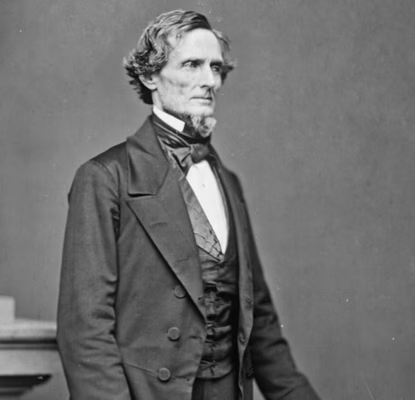
Why Alabama Jefferson Davis Birthday Remains Controversial
The biggest reason **Alabama Jefferson Davis Birthday** continues generating debate is Jefferson Davis’s role as the leader of the Confederacy. For many historians, activists, and community groups, honoring Confederate leaders through public holidays raises concerns because the Confederacy was founded in defense of a system that included slavery. As a result, critics argue that official recognition can send a message that conflicts with modern values of equality and inclusion.
Social media has amplified those discussions significantly. Every year, posts about Alabama Jefferson Davis Birthday attract reactions from people who are encountering the holiday for the first time. Some express surprise that it still exists, while others question why public resources continue supporting observances tied to Confederate figures. The topic often spreads far beyond Alabama itself as users share opinions, historical context, and competing interpretations of the holiday.
Supporters of the observance typically approach the issue from a different perspective. They often argue that removing historical commemorations risks erasing parts of the past, even when that history is uncomfortable or controversial. Some also believe that recognizing historical figures does not necessarily mean endorsing every aspect of their actions or beliefs.
Because both sides frame the issue differently, Alabama Jefferson Davis Birthday has become part of a much broader national conversation. The debate is no longer only about one holiday. It touches larger questions about public memory, historical monuments, education, and how societies choose which parts of their history to honor, preserve, or reconsider.
How Juneteenth Changed The Conversation
One reason **Alabama Jefferson Davis Birthday** receives more attention today than it did a decade ago is the growing national recognition of Juneteenth. Since Juneteenth became a federal holiday, many online discussions have started comparing the two observances, particularly when both topics appear in public conversations during June. As a result, **Alabama Jefferson Davis Birthday** is no longer viewed in isolation. Instead, it is often discussed alongside broader questions about which historical events and figures receive official recognition.
For many people, the comparison highlights how differently Americans remember the Civil War and its legacy. Supporters of Juneteenth emphasize the holiday’s connection to emancipation and the end of slavery in the United States. Meanwhile, critics of **Alabama Jefferson Davis Birthday** argue that honoring the president of the Confederacy feels increasingly out of step with modern efforts to recognize civil rights history. These contrasting perspectives have fueled countless discussions across news outlets, social media platforms, and community forums.
The conversation has become even more visible because Alabama recognizes both observances. Each year, that reality prompts new debates about historical memory and public priorities. Some residents see the coexistence of the two holidays as evidence that history is complex and should include multiple perspectives. Others believe the existence of **Alabama Jefferson Davis Birthday** alongside Juneteenth reflects unresolved tensions about how the Civil War era should be remembered.
What is clear is that public opinion continues evolving. Younger generations often approach these discussions differently than previous generations, bringing new perspectives on history, identity, and public symbolism. As those conversations continue, **Alabama Jefferson Davis Birthday** remains part of a larger national dialogue about the relationship between historical remembrance and contemporary values.
Why The Debate Returns Every Year
Every June, **Alabama Jefferson Davis Birthday** experiences a surge in online interest for a simple reason: many people discover the holiday for the first time. A social media post about government office closures or a news headline mentioning the observance can quickly generate thousands of comments. The reaction is often immediate because people are surprised that a state holiday connected to Jefferson Davis still exists in 2026.
The internet plays a major role in keeping the discussion alive. Posts about **Alabama Jefferson Davis Birthday** regularly appear on platforms like X, Reddit, TikTok, and Facebook, where users debate the holiday’s meaning and relevance. Some focus on historical context, while others discuss whether public holidays should evolve as society changes. The result is a conversation that extends far beyond Alabama itself.
Generational differences also contribute to the recurring debate. Older residents may view **Alabama Jefferson Davis Birthday** primarily as a long-standing state tradition tied to local history. Younger audiences, however, are often more likely to question historical commemorations and examine them through the lens of modern social issues. Those differing perspectives help explain why discussions surrounding the holiday remain active year after year.
In many ways, the annual attention surrounding **Alabama Jefferson Davis Birthday** reflects a broader cultural trend. Across the United States, communities continue debating monuments, historical figures, place names, and public commemorations. The holiday serves as one example of a larger question facing many societies: how should history be remembered when different groups interpret that history in very different ways?
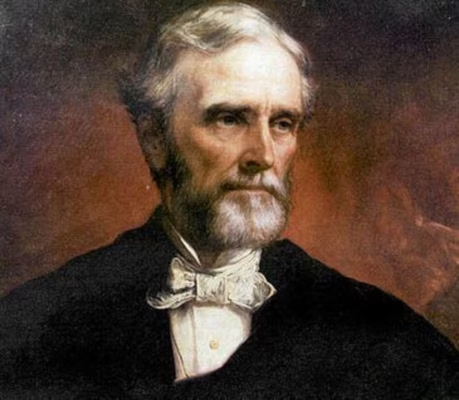
History, Identity, and Cultural Expression
Historical topics often extend beyond textbooks and public holidays. They become part of larger conversations about identity, memory, culture, and how societies interpret the past. That is one reason discussions surrounding Alabama Jefferson Davis Birthday continue attracting attention every year. Whether people support the observance, oppose it, or simply want to understand its history, the holiday encourages conversations that reach far beyond a single date on the calendar.
In today’s digital world, those conversations frequently appear through art, media, storytelling, and personal expression. People often use creative platforms to share perspectives on historical events, cultural issues, and the debates shaping modern society. As interest in history-related topics continues to grow online, TDVibes T-shirts reflect many of the cultural conversations, identities, and stories that continue shaping public discussion today.
Conclusion
More than a state holiday, Alabama Jefferson Davis Birthday has become a recurring conversation about history, memory, and public recognition in modern America. While opinions surrounding the observance remain deeply divided, the discussions it generates reveal how differently people interpret the past and its place in the present. As social media, public policy, and cultural perspectives continue evolving, Alabama Jefferson Davis Birthday is likely to remain a topic that sparks debate, reflection, and renewed interest for years to come.
