

Product Spotlights
Pride Month 2026: Why This Year’s Celebration Feels Different
May
Every June, conversations around Pride return to social media. But Pride Month 2026 feels different from previous years. Across TikTok, Instagram, and X, discussions are no longer focused only on parades and rainbow logos. Many people are now talking about community support, representation, and how Pride continues evolving in a rapidly changing social and political landscape.
At the same time, Pride Month 2026 remains one of the biggest cultural moments of the year. Millions of people are attending events, sharing personal stories online, and supporting LGBTQ+ creators, artists, and businesses. While some aspects of Pride have changed, the visibility and influence of the celebration continue to grow around the world. Platforms and communities such as TDVibes have also become part of these conversations by highlighting stories, perspectives, and cultural trends that matter to LGBTQ+ audiences and allies alike.
Why Pride Month 2026 Is Trending Online
One reason Pride Month 2026 is dominating social media again is the sheer volume of content being shared throughout June. Short-form videos explaining LGBTQ+ history, personal coming-out stories, Pride event highlights, and creator-led discussions regularly attract millions of views across TikTok and Instagram. Unlike traditional awareness campaigns, much of this content comes directly from community members themselves, making the conversations feel more personal and authentic.
Another factor driving interest in Pride Month 2026 is the growing role of younger audiences online. Gen Z users are increasingly using social media as a place to discuss identity, representation, and belonging. For many people, Pride is no longer limited to a single event or parade. It has become part of broader conversations about culture, mental health, relationships, and self-expression that continue year-round.
The global reach of social media has also helped Pride Month 2026 become a much larger international conversation. While Pride originated in the United States, creators from Europe, Latin America, Asia, and other regions are now sharing local Pride celebrations and community experiences online. That constant stream of content allows people to see how Pride is celebrated differently around the world while still connecting through shared themes of visibility and inclusion.
What makes Pride Month 2026 especially interesting is that many of the biggest discussions are happening outside official campaigns. Independent creators, artists, musicians, and community organizations are generating significant engagement through storytelling and personal experiences. In many cases, these voices are attracting more attention than large corporate campaigns, showing how online audiences increasingly value authenticity over polished marketing messages.
The Growing Debate Around Corporate Pride Campaigns
One of the biggest conversations surrounding Pride Month 2026 is the changing relationship between corporations and Pride itself. For years, June was filled with rainbow logos, Pride-themed products, and large-scale marketing campaigns from major brands. This year, however, many companies appear noticeably quieter. Some have reduced Pride-related promotions altogether, while others have taken a more cautious approach compared to previous years.
That shift has sparked intense discussion online. Supporters argue that brands should continue publicly supporting LGBTQ+ communities regardless of political pressure or potential backlash. Critics, meanwhile, point out that many companies only became vocal about Pride when it was commercially beneficial. As a result, Pride Month 2026 has reignited debates about the difference between genuine support and marketing-driven activism.
The conversation becomes even more complicated when people examine what companies do outside of June. Many social media users now look beyond rainbow-colored campaigns and ask bigger questions. Does the company support LGBTQ+ employees year-round? Do they contribute to community organizations? Are their public messages reflected in real actions? These discussions have become increasingly common across TikTok, Instagram, and X throughout Pride Month 2026.
Interestingly, the debate itself has become part of modern Pride culture. Even people who disagree often share the same goal: making sure Pride remains meaningful rather than purely commercial. That is one reason conversations around corporate involvement continue returning every year, and why they remain especially visible during Pride Month 2026.
Pride Month 2026 Is Becoming More Community-Driven
While corporate participation receives a lot of attention online, many people believe the heart of Pride Month 2026 can still be found within local communities. Across the United States and many other countries, grassroots organizations continue organizing Pride festivals, educational events, volunteer programs, charity fundraisers, and community gatherings throughout June. These events often operate on a much smaller scale than major corporate-sponsored celebrations, yet they remain incredibly important to the people who attend them.
In many cities, organizers are placing greater emphasis on community connection rather than large-scale branding. Local artists, LGBTQ+ nonprofits, independent performers, and small businesses are becoming a bigger part of Pride celebrations. That shift has helped create events that feel more personal and community-focused, especially for people looking for meaningful ways to participate in Pride Month 2026.
Another reason this trend is gaining momentum is that many attendees are actively seeking authentic experiences. Rather than simply taking photos at large public events, people increasingly want opportunities to connect with others who share similar experiences and identities. Community discussions, support groups, educational workshops, and local cultural events have become important parts of Pride Month 2026 in many regions.
Social media has helped amplify these smaller events as well. A local Pride gathering can now reach thousands of people online through creator content, livestreams, and community storytelling. As a result, Pride Month 2026 feels less dependent on major organizations and more driven by the communities that continue shaping Pride from the ground up.
Why Pride Month Matters to Gen Z
For many young people, Pride Month 2026 is about much more than attending a parade or posting a rainbow graphic online. Gen Z has grown up in a digital world where conversations about identity, representation, and self-expression happen every day across social media. Because of that, Pride often feels less like a single annual event and more like an ongoing conversation that simply becomes more visible during June.
Many younger audiences are also learning about LGBTQ+ history differently than previous generations. Instead of relying solely on textbooks or traditional media, they often discover historical events, activists, and community stories through TikTok creators, YouTube documentaries, podcasts, and online discussions. That access to information has helped make Pride Month 2026 feel both educational and personal at the same time.
Representation plays a major role as well. Movies, television, music, gaming, and social media have given younger generations more opportunities to see LGBTQ+ stories reflected in mainstream culture. While representation remains an ongoing conversation, many Gen Z users view Pride as a chance to celebrate progress while also discussing the challenges that still exist today. The emotional connection is another reason Pride Month 2026 continues resonating with younger audiences. For some people, Pride is a celebration of identity. For others, it represents community, acceptance, visibility, or simply the feeling of belonging. That combination of personal meaning and cultural relevance is why Pride continues attracting strong engagement from younger generations every year.
Pride Month 2026 and Self-Expression Through Fashion
Fashion has always played an important role in Pride celebrations, and Pride Month 2026 is no exception. From colorful accessories and statement pieces to graphic apparel and streetwear-inspired looks, clothing remains one of the most visible ways people express themselves during Pride events. For many attendees, what they wear is not just about style — it is also a reflection of identity, creativity, and community.
Social media has amplified that trend significantly. Throughout Pride Month 2026, creators are sharing outfit inspiration, event looks, DIY fashion ideas, and LGBTQ+-inspired designs across TikTok and Instagram. Some people prefer bold rainbow aesthetics, while others choose more subtle designs that reflect personal identity in a way that feels authentic to them. The variety itself highlights how Pride has evolved into a celebration of individual expression rather than a single visual style.
One design that captures that spirit particularly well is the I Feel So Free Pride Month Edition T-Shirt. Inspired by the themes of authenticity, confidence, and self-expression that define Pride celebrations, the design reflects what many people connect with most during Pride Month 2026 — the freedom to be themselves without apology. Whether worn at a local Pride event or as an everyday statement piece, it serves as a simple reminder of the values Pride continues to represent.
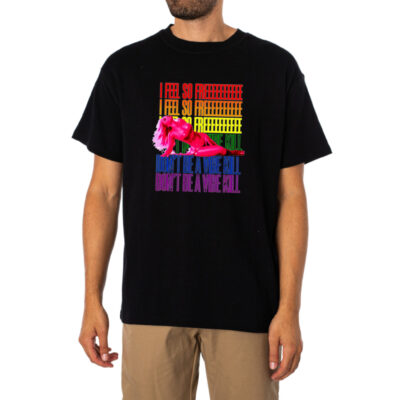
Beyond individual designs, many people also use fashion as a way to support creators and brands that celebrate culture, identity, and community. The broader TDVibes T-shirt collection features graphic apparel inspired by trending conversations, social movements, internet culture, and self-expression. As Pride Month 2026 continues bringing people together both online and offline, fashion remains one of the most personal ways to participate in the celebration and share what Pride means to you.
Conclusion
More than a celebration, Pride Month 2026 has become a reflection of how culture, community, and identity continue evolving in the digital age. From social media conversations and local Pride events to discussions about representation, authenticity, and self-expression, this year’s Pride feels shaped as much by people as it is by institutions. While debates around corporate involvement continue, the heart of Pride Month 2026 remains rooted in visibility, belonging, and community. As millions of people participate both online and offline throughout June, Pride continues serving as a reminder that self-expression, acceptance, and connection still matter just as much today as ever.
