

Last News, Product Spotlights
World Cup Games 2026 And The Matches Everyone Is Talking About
Jun
Every four years, football becomes the center of the world’s attention. From dramatic upsets and breakout stars to unforgettable goals and passionate fan celebrations, World Cup Games 2026 are already creating the kind of moments that millions of people will remember long after the tournament ends. With matches taking place across North America and supporters following every result in real time, this year’s World Cup feels bigger, louder, and more connected than ever before.
For TDVibes, the tournament represents more than a sporting competition. It is a global event that brings together different cultures, communities, and generations through a shared passion for the game. Whether the conversation is happening inside a stadium or across social media feeds, World Cup Games 2026 have firmly established themselves as one of the defining stories of the year.
Why World Cup Games 2026 Feel Bigger Than Previous Tournaments
The scale of the World Cup Games 2026 is one of the first things fans notice. This tournament features 48 national teams, making it the largest FIFA World Cup in history. More countries mean more supporters, more storylines, and more opportunities for unexpected results. From the opening week alone, fans have already seen nations from every corner of the globe generating attention.
The host arrangement contributes to that feeling as well. Rather than being centered in a single country, World Cup Games 2026 are spread across the United States, Canada, and Mexico. That geographic reach has created a tournament atmosphere that stretches across an entire continent. Supporters are traveling between cities, exploring new destinations, and turning the competition into a massive international celebration.
There is also the simple reality that football’s global audience continues growing. Every major World Cup seems to attract new viewers, but this year’s tournament benefits from a digital landscape that allows fans to engage constantly. A spectacular goal, a controversial referee decision, or an emotional celebration can reach millions of people within minutes. Because of that, the conversation surrounding World Cup Games 2026 never really stops.
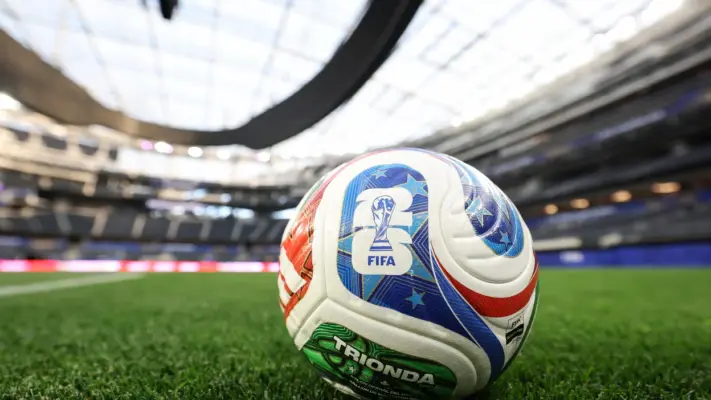
Another factor is unpredictability. Traditional football powers remain favorites, but expanded participation has created more opportunities for surprises. Fans are paying attention not only to the biggest teams but also to emerging nations capable of producing memorable moments. That uncertainty adds excitement because every match feels capable of creating the next major headline.
Perhaps most importantly, World Cup Games 2026 are arriving during an era when sports increasingly overlap with entertainment, internet culture, and global media. People who rarely watch football often find themselves following the tournament anyway because the World Cup has become much more than a sporting competition. It is one of the few events that can unite audiences from different countries, languages, and cultures around the same conversation.
The Group Stage Matches Are Proving Why The Expanded World Cup Format Matters
One of the biggest debates before the World Cup Games 2026 began centered around the new 48-team format. Critics worried that adding more nations would create too many one-sided matches and reduce the overall quality of the tournament. After the opening rounds, however, much of the conversation has shifted. Instead of complaining about the format, many fans are talking about how unpredictable the group stage has become.
Several traditional football powers have already discovered that matches many expected to be routine are anything but guaranteed. Draws, unexpected performances, and competitive underdogs have repeatedly forced supporters to rethink their predictions. Every time a smaller nation exceeds expectations, social media fills with reactions celebrating another reminder that international football rarely follows the script.
That unpredictability has changed how people consume the World Cup Games 2026. In previous tournaments, casual viewers often waited for the knockout rounds before becoming fully invested. This year, even early group-stage fixtures are attracting significant attention because fans know almost any result can become the next major talking point. The result is a tournament where more teams, more countries, and more fanbases feel relevant. Whether someone supports a traditional powerhouse or a nation appearing on one of football’s biggest stages, there is a greater sense that every match matters.
Football Fans Are Already Looking For The Next Face Of The Sport
Every World Cup eventually becomes a turning point between generations. While established stars still attract enormous attention, much of the conversation surrounding World Cup Games 2026 has focused on who might define football over the next decade rather than who dominated the previous one. Fans are constantly debating which young player is ready to take that next step. One outstanding performance can suddenly place a footballer at the center of global discussions. A brilliant goal, a standout display against elite competition, or a memorable tournament run often changes how a player is viewed almost overnight.
That search for football’s next global superstar feels especially intense this year. Supporters, media outlets, and content creators are all trying to identify which names will become the faces of future World Cups. Discussions about talent, potential, leadership, and long-term legacy appear everywhere from sports broadcasts to TikTok comment sections.
At the same time, the World Cup Games 2026 have shown how quickly football narratives can change. A player receiving little attention before the tournament can become one of its biggest stories after a single match. That possibility keeps fans watching closely because they know the next breakout star could emerge at any moment.
Perhaps that is why individual performances feel so significant during a World Cup. People are not only watching a tournament unfold. They are watching the future of the sport take shape in real time. For many supporters, discovering those future stars is just as exciting as following the race for the trophy itself.
How Social Media Has Changed The World Cup Experience
The World Cup used to belong mainly to television. Fans watched the match, talked about it afterward, then waited for the next game. That rhythm barely exists anymore. During World Cup Games 2026, the conversation often starts before kickoff and continues long after the final whistle. A goal scored in Dallas can become a global trend within minutes. By the time replay angles appear on television, clips are already spreading across TikTok, Instagram, X, Reddit, and dozens of sports pages. Some moments become memes. Others spark arguments that last for days. Either way, fans no longer experience the tournament at the same speed.
The effect is especially noticeable when an unexpected result happens. Germany’s huge win, Brazil dropping points, or an underdog nation pulling off a surprise immediately generates thousands of reactions. Instead of waiting for expert analysis, supporters jump straight into the discussion themselves. In many cases, the fan reaction becomes almost as interesting as the match.
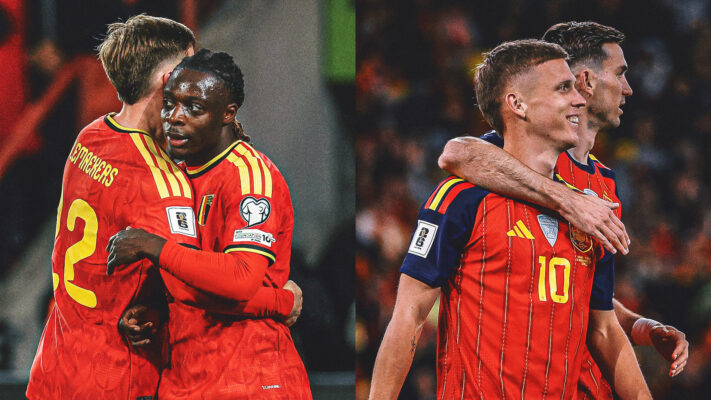
Then there are the people who are not even watching every game. Through highlights, reaction videos, podcasts, livestreams, and social media clips, they still end up following World Cup Games 2026 anyway. The tournament reaches audiences far beyond traditional football fans because the internet constantly finds new ways to pull people into the story.
Why Every Match Feels Like A Cultural Event
Football may be the reason people tune in, but culture is often what makes them stay invested.
Walk through a host city on match day, and the atmosphere changes immediately. Restaurants are filled with supporters. Flags appear everywhere. Public squares become gathering spots. Hours before kickoff, entire neighborhoods can feel like they are preparing for a festival rather than a sporting event. Some of the most memorable scenes from World Cup Games 2026 are happening away from the pitch. Fans singing in train stations, families gathering around outdoor screens, and supporters traveling thousands of miles to follow their national teams all add another layer to the tournament. These moments rarely show up in statistics, yet they are often what people remember years later.
National teams also carry emotional weight that club football cannot always replicate. People connect with family history, heritage, language, and identity through the World Cup. A single victory can energize an entire country. A heartbreaking defeat can dominate conversations for days. That emotional connection is why World Cup Games 2026 feel larger than a normal sporting competition. Every match affects more than the tournament standings. It becomes part of a story shared by millions of people at the same time, whether they are watching from a packed stadium or from the other side of the world.
What Fans Will Remember Long After World Cup 2026 Ends
Nobody remembers an entire World Cup from beginning to end. Years later, people usually remember specific moments instead. A stunning goal. A dramatic upset. A player who suddenly became a global star. Those snapshots tend to outlive the tournament itself, and World Cup Games 2026 are already creating plenty of them.
Some supporters will remember the football. Others will remember where they watched the matches, who they celebrated with, or how their city transformed during the tournament. That is part of what makes the World Cup different from most sporting events. The memories often extend far beyond what happened on the pitch.
As the tournament continues, fans are already collecting those memories in different ways. Photos, videos, match tickets, and football-inspired apparel often become reminders of a competition that captured global attention. For supporters following World Cup Games 2026, designs like the World Cup 2026 Soccer Tournament Shirt offer a way to celebrate the excitement and atmosphere surrounding one of the biggest sporting events in the world.
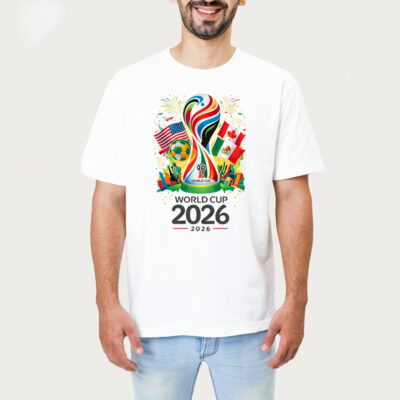
Major tournaments also tend to inspire conversations that reach beyond sports alone. They influence travel, internet culture, entertainment, and the ways fans connect with one another online. The TDVibes T-shirt collection is inspired by those kinds of moments, drawing from trending events, cultural conversations, sports stories, and shared experiences that continue resonating long after the headlines move on.
Conclusion
World Cup Games 2026 have become much more than a tournament schedule or a collection of results. Across North America and around the world, fans are following dramatic matches, discovering new stars, debating storylines, and sharing experiences in real time. The combination of football, culture, travel, and global community continues to make the World Cup one of the most powerful events in sports.
While the final champion has yet to be decided, World Cup Games 2026 have already delivered the moments, emotions, and conversations that make the tournament special. Long after the last match is played, many of the stories created during this World Cup will continue to be remembered, shared, and celebrated by fans everywhere.
